Bangladesh Crypto Adoption Ranks High Despite Complete Ban
Despite a complete government ban, Bangladesh ranks 35th globally in crypto adoption with 3.1 million users - mostly using stablecoins to send remittances. How is this possible?
When Bangladesh, a South Asian nation with over 170 million people and a growing tech-savvy population cracked down on cryptocurrency in 2021, it wasn’t just about fear of fraud—it was a battle against financial autonomy. The central bank, the Bangladesh Bank, the country’s monetary authority responsible for controlling currency and financial systems, declared all crypto transactions illegal, warning that using Bitcoin or Ethereum could lead to jail time. But here’s the twist: the ban didn’t stop people from trading. It just drove it underground.
Why did this happen? Bangladesh’s economy relies heavily on remittances—money sent home by workers abroad. Crypto offered a faster, cheaper way to move cash without going through banks. When people started using crypto to avoid high fees and slow transfers, regulators panicked. They didn’t understand the tech, so they banned it. Meanwhile, digital currency, a broader term covering central bank digital currencies and private tokens became a hot topic. The government even started exploring its own digital taka, but that project has moved slower than molasses. Today, crypto isn’t dead in Bangladesh—it’s just hidden. People use peer-to-peer platforms, VPNs, and cash trades to keep buying and selling. Some even use crypto to send money to family overseas, bypassing the official banking system entirely.
And it’s not just individuals. Small businesses in Dhaka and Chittagong quietly accept crypto for goods. Local traders use it to buy equipment from overseas suppliers without waiting weeks for bank approvals. The ban created a black market, not a solution. Meanwhile, regulators are stuck playing catch-up. They’ve arrested a few people for crypto trading, but the real players—the ones moving millions—are still out there. What’s clear now is that you can’t ban a global technology with a national decree. The world moves too fast for that. If you’re in Bangladesh and you’re using crypto, you’re not alone. And if you’re outside the country wondering what’s going on, the truth is simpler than the headlines: the ban didn’t work, and it never will.
Below, you’ll find real stories and deep dives into how crypto survives under pressure—from the traders who risk jail to the platforms that still operate in the shadows. This isn’t theory. It’s what’s happening right now, in real time, in one of the most restrictive crypto environments on Earth.
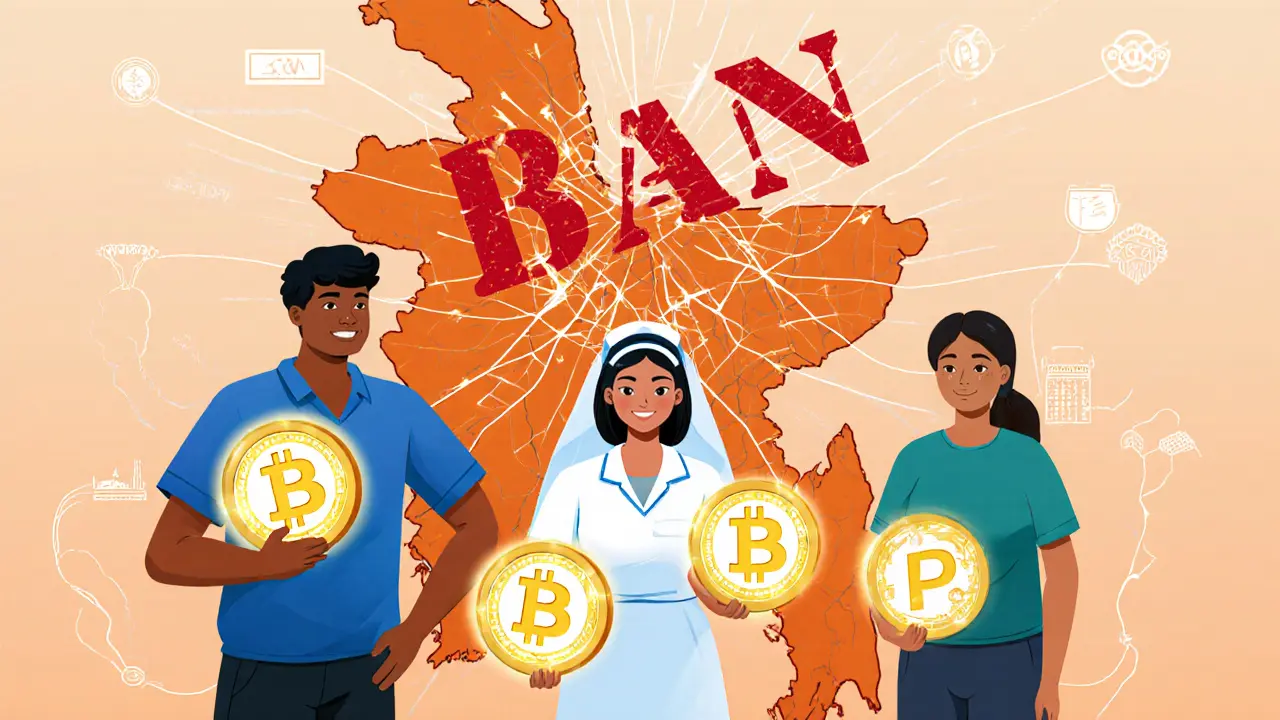
Despite a complete government ban, Bangladesh ranks 35th globally in crypto adoption with 3.1 million users - mostly using stablecoins to send remittances. How is this possible?