Bangladesh Crypto Adoption Ranks High Despite Complete Ban
Despite a complete government ban, Bangladesh ranks 35th globally in crypto adoption with 3.1 million users - mostly using stablecoins to send remittances. How is this possible?
When you hear about Bangladesh crypto adoption, the growing but heavily restricted use of digital currencies like Bitcoin and Ethereum by individuals and small businesses in Bangladesh. Also known as cryptocurrency usage in Bangladesh, it’s not about big exchanges or government-backed coins—it’s about people finding ways to send money, protect savings, and trade outside the system. Even though the central bank banned financial institutions from handling crypto in 2015, that didn’t stop demand. It just pushed it underground.
What’s driving this? For many, it’s remittances. Over $20 billion flows into Bangladesh every year from workers abroad, and traditional channels charge high fees and take days. Crypto lets people receive funds directly, in hours, for a fraction of the cost. Some use P2P platforms like LocalBitcoins or Paxful to trade BDT for Bitcoin, often in cash. Others trade through Telegram groups or trusted contacts. It’s not legal, but it’s practical. And it’s not just for the tech-savvy—it’s farmers, rickshaw drivers, and shop owners who know the system isn’t working for them.
Then there’s the crackdown. The government has shut down dozens of crypto-related websites, arrested people for running P2P trades, and warned banks to cut off anyone linked to digital assets. But enforcement is patchy. Rural areas see little oversight, and mobile data is cheap. Meanwhile, the digital taka—the central bank’s own CBDC—is still in testing, and most people don’t trust it. Why? Because it’s controlled. Crypto, even if risky, gives people real control over their money.
And it’s not just Bitcoin. Some use USDT (Tether) to hedge against the taka’s inflation, which hit over 10% in 2024. Others trade altcoins through offshore exchanges with no KYC. The real story isn’t about adoption rates or official stats—it’s about survival. People aren’t investing in crypto because they believe in decentralization. They’re using it because they have to.
What you’ll find in the posts below aren’t tutorials on how to buy Bitcoin in Dhaka. They’re real stories from places where rules don’t match reality. You’ll see how crypto mining quietly runs on subsidized power, how scams target new users, and why some exchanges vanish overnight. This isn’t about hype. It’s about what happens when a country tries to block money—and people find a way around it anyway.
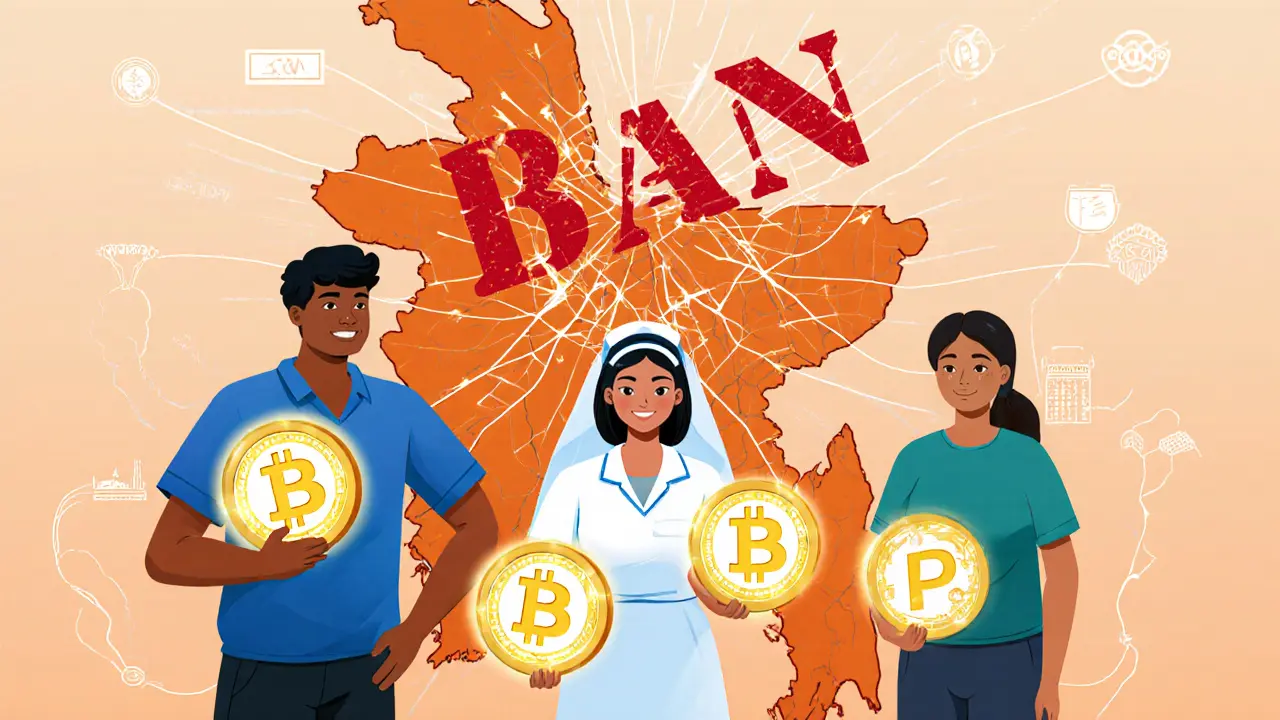
Despite a complete government ban, Bangladesh ranks 35th globally in crypto adoption with 3.1 million users - mostly using stablecoins to send remittances. How is this possible?