Have you heard about OpenSwap? If you’re looking for a quick answer on whether it’s safe to deposit your money there, here is the hard truth: there is almost no credible information about a major cryptocurrency exchange called "OpenSwap" in the current market. In fact, searching for this name often leads to confusion with other projects or potentially risky, unverified platforms.
In the world of crypto, silence is loud. When an exchange doesn’t appear on major tracking sites like CoinMarketCap or CoinGecko, lacks transparent regulatory filings, and has no substantial user community discussing it on trusted forums, that is a massive red flag. This review will explain why you should be cautious, clarify the confusion with similar-sounding names like OpenXSwap, and guide you toward safer, proven alternatives for trading in 2026.
The Mystery of OpenSwap: What Is It?
When we talk about OpenSwap, a term frequently searched by users seeking new crypto trading opportunities, but which lacks a verified presence as a major centralized or decentralized exchange, we are dealing with a significant information gap. As of mid-2026, there is no widely recognized, secure, and regulated platform operating under this exact name that holds a top position in Total Value Locked (TVL) or trading volume rankings.
This absence of data is not a minor oversight; it is a critical warning sign. Established exchanges, whether centralized like Binance or Coinbase, or decentralized like Uniswap, have clear footprints. They have whitepapers, active developer communities on GitHub, public audits from security firms, and real-time data feeds. If you cannot find these basic elements for OpenSwap, you are likely looking at one of three things:
- A very new, unproven project that hasn’t gained traction.
- A rebranded version of an older, possibly defunct platform.
- A potential scam site designed to mimic legitimate branding to steal funds.
It is crucial to distinguish between a "small" exchange and a "non-existent" one. Small exchanges exist, but they still show up in niche databases. A complete lack of verifiable data suggests the platform may not be operational or safe for retail investors.
Confusion Alert: OpenSwap vs. OpenXSwap
One common reason people search for OpenSwap is due to confusion with OpenXSwap (OPENX token). These are not the same thing. OpenXSwap is a specific cryptocurrency token and project, not a full-service exchange where you can easily buy Bitcoin or Ethereum with a credit card.
As of late 2025 and early 2026, OpenXSwap (OPENX) has shown volatile price action. Data from October 2025 showed the token trading around $0.0417, with predictions suggesting a decline to roughly $0.0334. The market sentiment for such smaller-cap tokens is often marked by "Fear" (with Fear & Greed Index ratings dropping into the 30s), indicating high risk. While the overall crypto market might be bullish, individual tokens like OPENX carry significant volatility risks.
If you are trying to trade the OPENX token, you do not need an "OpenSwap" exchange. Instead, you would typically find this token listed on larger decentralized exchanges (DEXs) or smaller centralized platforms that support low-cap altcoins. Never send funds directly to a website claiming to be the official "OpenSwap" unless you have independently verified its legitimacy through multiple trusted sources.
Why You Should Avoid Unverified Exchanges
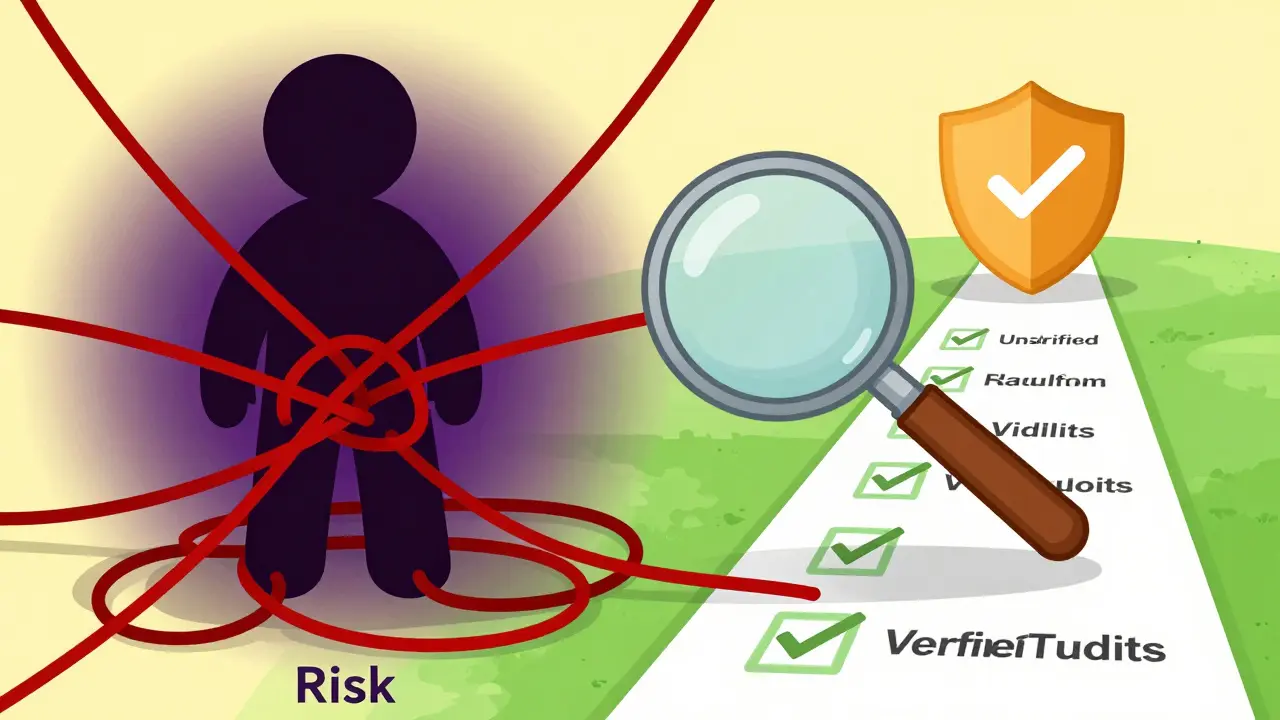
Using an unverified exchange like the mysterious OpenSwap exposes you to several severe risks that established platforms mitigate through years of development and regulation.
- Lack of Liquidity: If an exchange has few users, you might find it impossible to sell your crypto when you want to. You could place a sell order and wait days, or worse, see the price crash because there are no buyers.
- No Regulatory Oversight: Legitimate exchanges comply with Know Your Customer (KYC) and Anti-Money Laundering (AML) laws. Unverified platforms often skip these steps, making them attractive to scammers but dangerous for you. If the platform disappears, you have no legal recourse.
- Security Vulnerabilities: Major exchanges invest millions in cybersecurity, cold storage solutions, and insurance funds. A small or fake exchange likely lacks these protections. A single hack could wipe out all user funds.
- Hidden Fees and Slippage: Without transparent fee structures, you might lose a significant percentage of your investment to hidden spreads or withdrawal fees that only appear when you try to move your money.
The crypto industry has matured significantly since the early days. Platforms like Uphold and Gemini have set standards for transparency. Uphold, for example, publishes real-time asset and liability updates every 30 seconds and guarantees 100% reserves. Comparing this level of accountability to the void surrounding OpenSwap highlights the danger of choosing obscure platforms.
Safe Alternatives for Decentralized Trading
If you were interested in OpenSwap because you wanted to trade without a central authority (decentralized finance or DeFi), there are many better, safer options available in 2026. These platforms have billions of dollars in TVL, meaning they are battle-tested and highly liquid.
| Exchange Name | Best For | Network | Approx. TVL |
|---|---|---|---|
| Uniswap | Ethereum transactions, wide variety of tokens | Ethereum, Layer 2s | $4 Billion+ |
| PancakeSwap | Low fees, BNB Chain assets | BNB Smart Chain | $2 Billion+ |
| Curve Finance | Stablecoin swaps with minimal slippage | Multi-chain | $4 Billion+ |
| dYdX | Derivatives and leveraged trading | dYdX Chain | $350 Million+ |
These platforms allow you to connect your own wallet (like MetaMask or Trust Wallet) and trade directly. You retain control of your private keys, which eliminates the risk of the exchange going bankrupt or freezing your account. For stablecoin trading, Curve is particularly efficient due to its specialized pools that minimize price impact. For general Ethereum-based tokens, Uniswap remains the gold standard for liquidity and security.
Safe Alternatives for Centralized Trading
If you prefer the ease of use offered by centralized exchanges (CEXs) where customer support handles password resets and fiat deposits are straightforward, stick to the giants. These platforms are regulated, insured, and have millions of daily users.
- Gemini: Known for its strong focus on security and compliance, Gemini offers a clean interface suitable for beginners. Fees range from 0.03% to 3.49% depending on your payment method. It holds a high rating for trustworthiness and ease of use.
- Uphold: Ideal for those who want to diversify beyond crypto. Uphold allows cross-asset trading, meaning you can swap Bitcoin for Gold, Silver, or traditional currencies directly on the platform. Their "radical transparency" model provides real-time proof of reserves.
- Coinbase: One of the most publicly traded and regulated exchanges in the US, offering extensive educational resources and a vast selection of cryptocurrencies.
While these platforms charge slightly higher fees than some offshore competitors, the cost is worth the peace of mind. The minimum account requirement for platforms like Uphold is just $1, making them accessible for small investors while maintaining institutional-grade security.
How to Verify Any Crypto Exchange
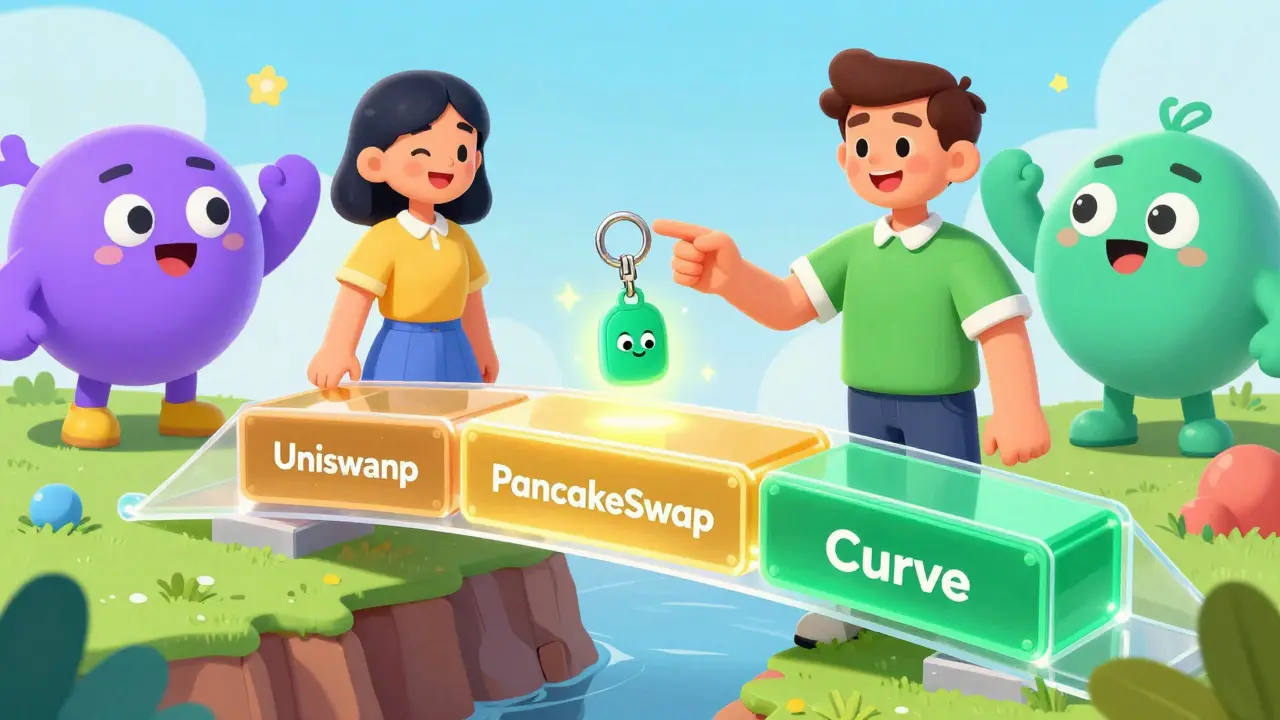
Before you ever deposit a dollar into any platform-whether it’s the elusive OpenSwap or a new DEX-run it through this checklist:
- Check Independent Rankings: Does it appear on CoinMarketCap or CoinGecko? If not, proceed with extreme caution.
- Verify Social Presence: Look for an active, engaged community on Twitter, Discord, or Telegram. Be wary of bots or overly promotional content.
- Read the Whitepaper: A legitimate project will have a detailed technical document explaining its purpose, team, and roadmap.
- Test with Small Amounts: Never invest more than you can afford to lose. Start with a tiny amount to test withdrawals. If you can’t withdraw, don’t deposit more.
- Look for Audits: Reputable projects undergo smart contract audits by firms like CertiK or Hacken. Find these reports and read the summary.
If a platform fails any of these checks, especially the first two, it is best to avoid it entirely. The crypto market is filled with opportunities, but also with traps. Protecting your capital is always more important than chasing the next big name.
Final Thoughts on OpenSwap
In conclusion, the lack of credible data regarding OpenSwap makes it an unsuitable choice for serious trading in 2026. Whether you are confused with OpenXSwap or genuinely seeking a new platform, the risks associated with unverified exchanges far outweigh any potential benefits. Stick to established decentralized exchanges like Uniswap and PancakeSwap for self-custody trading, or choose regulated centralized platforms like Gemini and Uphold for convenience and security. Your financial safety depends on choosing partners with proven track records, not mysterious newcomers.
Is OpenSwap a legitimate crypto exchange?
There is no verifiable evidence that OpenSwap is a legitimate, major cryptocurrency exchange. It does not appear in top rankings, lacks transparent regulatory information, and has no significant user base. Users should exercise extreme caution and assume it may be unsafe or non-operational.
What is the difference between OpenSwap and OpenXSwap?
OpenSwap appears to be a misnomer or a non-existent exchange, while OpenXSwap (OPENX) is a specific cryptocurrency token. OpenXSwap is traded on various decentralized and centralized platforms, but it is not itself an exchange. Do not confuse the token with a trading platform.
Which decentralized exchanges are safest in 2026?
The safest decentralized exchanges in 2026 include Uniswap, PancakeSwap, and Curve Finance. These platforms have billions of dollars in Total Value Locked (TVL), regular security audits, and large, active user communities, making them reliable for swapping tokens.
Can I buy OpenXSwap (OPENX) on major exchanges?
OpenXSwap (OPENX) is a lower-cap token and may not be available on all major centralized exchanges. It is more likely found on decentralized exchanges (DEXs) or smaller centralized platforms that list niche altcoins. Always verify the contract address before trading to avoid scams.
What are the fees for using reputable centralized exchanges?
Fees vary by platform. For example, Uphold charges between 0.2% and 2.95%, while Gemini ranges from 0.03% to 3.49%. These fees cover security, regulatory compliance, and customer support, providing greater safety compared to unverified platforms with hidden costs.