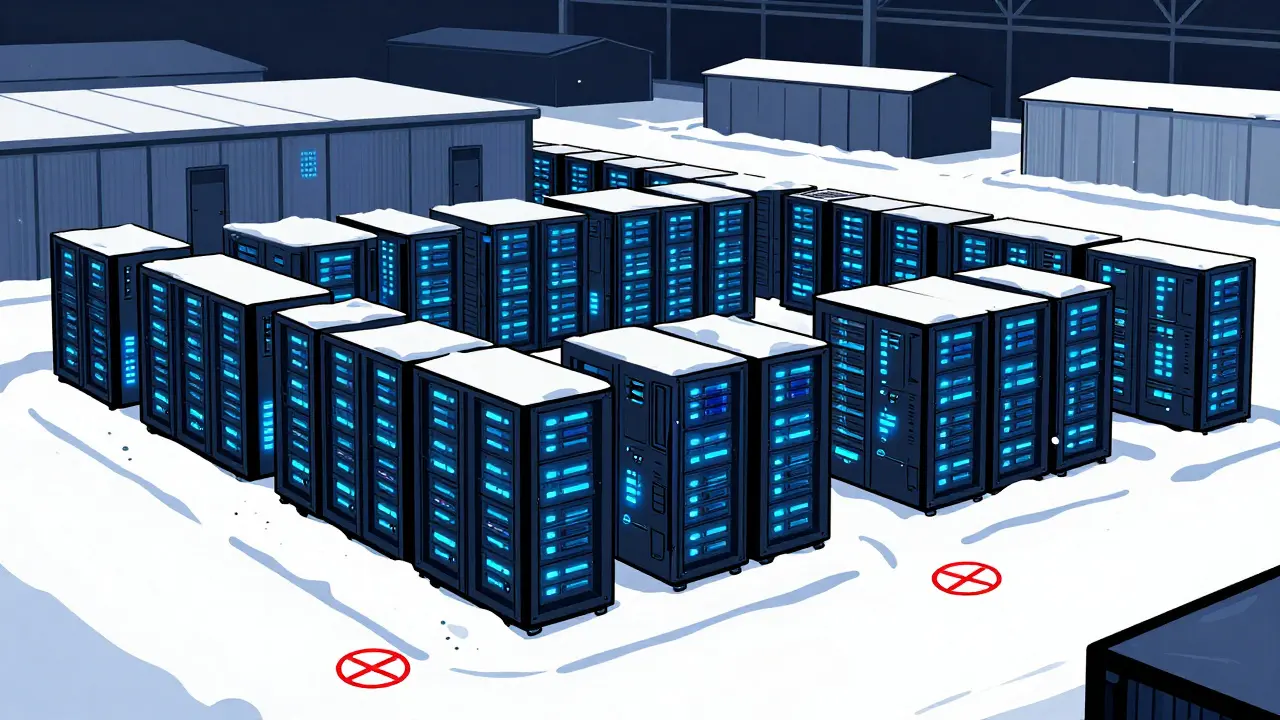
If you think cryptocurrency mining in Russia is straightforward, you have another thing coming. As of early 2026, the landscape has shifted from a gray area into a strictly controlled legal environment. The days of running unregistered mining farms in Siberia without consequences are gone. Today, the Russian government treats mining as a recognized economic activity, but one that operates under the watchful eye of federal authorities. Understanding these rules isn't just good advice; it's the difference between a profitable operation and a shut-down facility.
The situation on the ground involves specific geographic bans, mandatory registration systems, and energy grid priorities that favor residents over miners. Even if you plan to operate fully within the law, you need to know which regions are off-limits and how the government can cut your power remotely. This guide breaks down exactly how the 2024 and 2025 regulations apply to miners right now in 2026.
The Shift from Prohibition to Regulation
Russia did not jump straight into full legalization overnight. It took a legislative overhaul in late 2024 to create the framework we see today. Before August 2024, the regulatory stance was murky. You could own coins, but the process of creating them sat in a legal void. The government realized that banning it entirely drove the industry underground, resulting in lost tax revenue and uncontrolled electricity consumption.
Cryptocurrency Mining in Russia is now classified as a taxable business activity subject to strict government oversight. Also known as Digital Asset Production, it requires operators to navigate complex bureaucratic procedures. The legislation passed in October 2024 laid the groundwork, while enforcement began in earnest on January 1, 2025.This transition marked a strategic pivot for Moscow. The goal was twofold: generate tax income and manage the strain on the national energy grid. By bringing miners onto a register, the state gains visibility into who is using the power lines. However, this comes with a heavy trade-off. In exchange for the ability to mine legally, operators surrender significant operational autonomy to the federal administration.
Regional Restrictions: Where You Cannot Mine
Perhaps the most critical constraint for any hardware setup is geography. You cannot simply plug machines into the grid anywhere in the country. The federal government implemented a two-tiered restriction system affecting a total of 13 distinct regions. This division separates permanent bans from seasonal limitations.
Ten regions face complete blanket prohibitions on cryptocurrency mining operations. These locations were identified as suffering from chronic energy deficits where mining poses a threat to residential stability. The list includes Dagestan, Ingushetia, Kabardino-Balkaria, Karachay-Cherkessia, North Ossetia, Chechnya, and the annexed territories of Donetsk, Lugansk, Zaporizhzhia, and Kherson. If your server farm is located in any of these places, the activity is illegal regardless of whether you pay taxes or register your equipment.
A second set of three regions operates under seasonal restrictions rather than permanent bans. These are primarily industrial hubs in Siberia known for high winter energy consumption: Irkutsk, Buryatia, and Zabaikalsky Krai. During peak demand periods, mining operations in these areas must cease to prioritize heating and essential infrastructure. Initially, these windows covered January 1 to March 15, but subsequent updates extended the restricted season significantly. Operators in these zones should expect limited production capacity extending from mid-November through mid-March annually.
State Registry and Equipment Certification
You cannot run a registered mining business without labeling your hardware. The government introduced a mandatory state registry system to track the movement and usage of mining equipment. Every device used for commercial mining must be certified and labeled. This certification allows authorities to identify exactly which electricity spikes belong to digital asset production versus general industrial use.
| Energy Usage Threshold | Registration Status | Tax Liability |
|---|---|---|
| Under 6,000 kWh/month | Exempt from Registry | No Special Tax |
| Over 6,000 kWh/month | Mandatory Registration | Subject to Profit Tax |
There is a small loophole for individual hobbyists. If you keep your monthly power consumption below 6,000 kilowatt-hours, you remain exempt from the formal registry requirements. This threshold is roughly equivalent to a household with heavy appliances, meaning home setups rarely trigger the red flag. However, once you cross that line, you enter the scope of the Federal Tax Service. Compliance involves submitting regular reports regarding your equipment efficiency and network participation.
The Power of Remote Disconnection
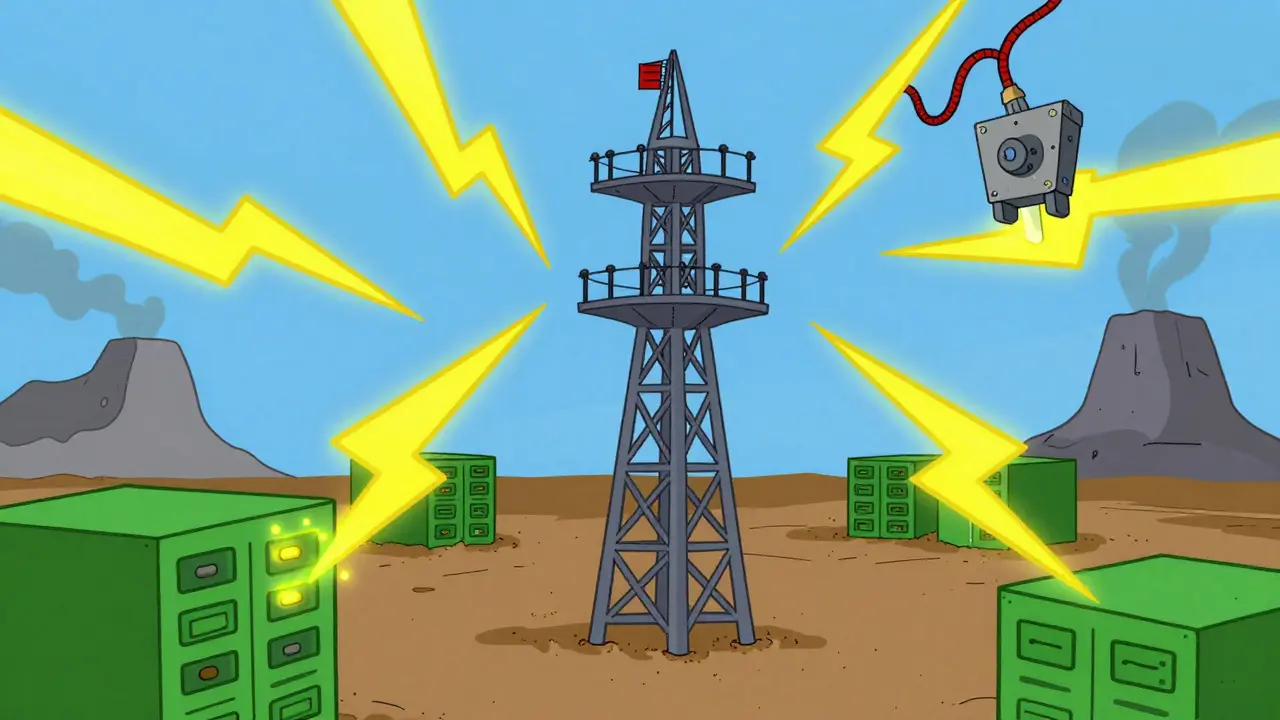
The most aggressive tool in the regulator's arsenal is the ability to remotely disconnect power to mining sites. Under the current framework, miners are classified as "fourth category" consumers. This ranking puts them at the very bottom of the national power grid priority list. Essential services like hospitals, residential homes, and critical industries get the first claim on available electrons.
This means you can be operating legally, paying your taxes, and following every rule, yet still face sudden downtime. The government monitors grid load in real-time. When demand peaks in cold weather or when supply drops unexpectedly, the system triggers automated cuts to registered mining facilities. While this protects the general public from blackouts, it introduces massive volatility for commercial miners trying to predict their hash rate uptime.
This capability is backed by sophisticated monitoring hardware installed across the grid. The intent is to prevent unauthorized mining from destabilizing local substations. However, because the remote disconnect feature applies to registered users as well, operators view it as a risk factor similar to unstable weather. Business plans now require contingency strategies for potential loss of access lasting hours or even days during peak seasons.
Taxation and Financial Reporting
Since becoming a taxed industry in November 2024, cryptocurrency miners contribute directly to the state budget. The standard tax rate sits at 15% on profits generated from mining activities. This is applied after calculating operational costs and gross revenue, treating miners similarly to other industrial businesses in terms of financial liability.
Beyond direct profit taxes, there are reporting obligations. Any transaction involving digital assets exceeding 600,000 rubles must be reported to tax authorities. The rationale behind this threshold is money laundering prevention and ensuring the ruble remains the sole domestic currency for payments. While owning crypto is legal, you cannot buy groceries with Bitcoin. Attempting to use crypto as payment for goods and services remains strictly prohibited.
Financial compliance is not optional. Failure to declare income leads to audits and penalties. The complexity arises in valuing the mined assets at the moment of generation versus the moment of sale, requiring precise accounting records to avoid discrepancies with federal auditors.
Enforcement and Penalties
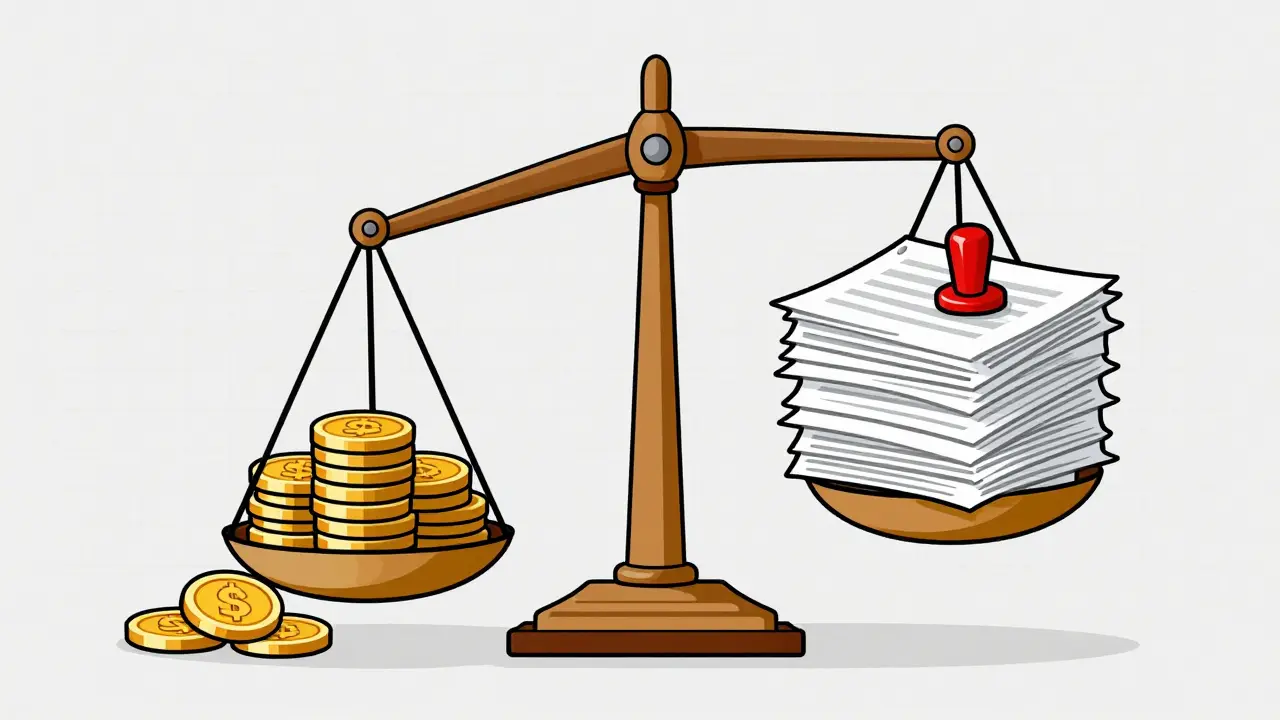
For those who choose to ignore the laws, the penalties have become severe. Unregistered mining operations are treated as administrative offenses initially, carrying fines starting at 200,000 rubles. However, repeated violations or large-scale operations can push the fine amount up to 2 million rubles. These figures act as a deterrent against casual non-compliance.
Russian Federal Tax Service tracks compliance rates actively. According to deputy ministers speaking at the St. Petersburg International Economic Forum, enforcement remains a work in progress. As of mid-2025, Deputy Finance Minister Ivan Chebeskov acknowledged that only 30% of active miners had successfully registered. The remaining two-thirds still operate in a gray zone, prompting discussions about raising fines further to force compliance.Authorities are increasingly using big data to spot illegal operations. They analyze electricity consumption patterns for anomalies that suggest mining activity without a corresponding business license. If a warehouse shows the energy signature of thousands of ASICs but has no permit, inspection teams arrive quickly. The trend is moving toward higher automation of these checks, making long-term evasion difficult.
Market Dynamics and Future Outlook
Despite the heavy regulatory burden, the market has seen unprecedented growth since the laws stabilized. Demand for industrial mining equipment tripled in the fourth quarter of 2024 alone. This surge correlates directly with the clarity provided by the new legislation. Investors feel safer entering a market with defined rules than one where confiscation is a constant threat.
Experts note that while the barriers are high, the potential returns remain viable for those with the capital to secure reliable power contracts outside the restricted zones. The six-year timeline for regional bans provides some long-term certainty until March 2031. Within this window, operators must adapt to the seasonal constraints and tax requirements.
Some industry voices warn that the tension between the decentralized nature of crypto and centralized state control will never fully vanish. The government aims to capture value without allowing foreign influence over monetary policy. Miners must accept that they are guests in the nation's energy economy, tolerated but ultimately subordinate to the needs of the population.
Is it legal to mine cryptocurrency in Russia?
Yes, it is legal, provided you comply with federal registration requirements. However, mining is completely banned in ten specific regions including Dagestan and certain Siberian areas due to energy shortages. You must also adhere to a 15% profit tax if your energy usage exceeds 6,000 kWh per month.
Can the government shut off my electricity remotely?
Yes. Mining operations are classified as the lowest priority on the national grid. Authorities have the technical capability to disconnect registered mining facilities during periods of high electrical demand to protect residential and hospital power supplies.
What are the penalties for illegal mining?
Fines for unauthorized mining range from 200,000 rubles to 2 million rubles depending on the severity and frequency of the offense. Additionally, equipment may be confiscated, and owners can face stricter scrutiny regarding past tax compliance.
Do I need to register my miner if I am an individual?
Individuals are exempt from the mandatory registry if their monthly energy consumption stays below 6,000 kWh. Once you exceed this threshold, you are considered a business entity and must register with the Federal Tax Service.
When do the seasonal bans apply?
Seasonal restrictions affect specific regions like Irkutsk and Buryatia during winter energy peaks. These bans typically run from November 15 through March 15 each year to ensure residential heating needs are met first.