Forget about whitepapers and technical charts. If you’re launching a memecoin, your success doesn’t hinge on how smart your smart contract is - it hinges on whether your community shows up. And not just shows up, but creates, shares, and fights for your coin like it’s their own. This isn’t marketing. This is cult-building. And if you’re doing it right, it’s the only thing that keeps your memecoin alive beyond the first 72 hours.
Start With the Right Platforms - Not All of Them
You don’t need to be everywhere. You need to be where the noise happens. That’s Twitter (X), Telegram, and Discord. Forget LinkedIn. Forget Facebook. Your average memecoin buyer isn’t scrolling through corporate updates - they’re watching TikTok trends, laughing at absurd memes, and spamming hashtags like #PEPEARMY or #DOGEFAMILY.Twitter (X) is your megaphone. It’s where news breaks, influencers talk, and trends ignite. Your handle needs to be meme-ready: @ShibaInuCoin isn’t just a name - it’s a brand. Your bio? A joke. Your pinned tweet? A challenge. Post something dumb every day. A dog wearing a crown. A cat mining crypto. A goat holding a wallet. Doesn’t matter what - as long as it makes someone smirk.
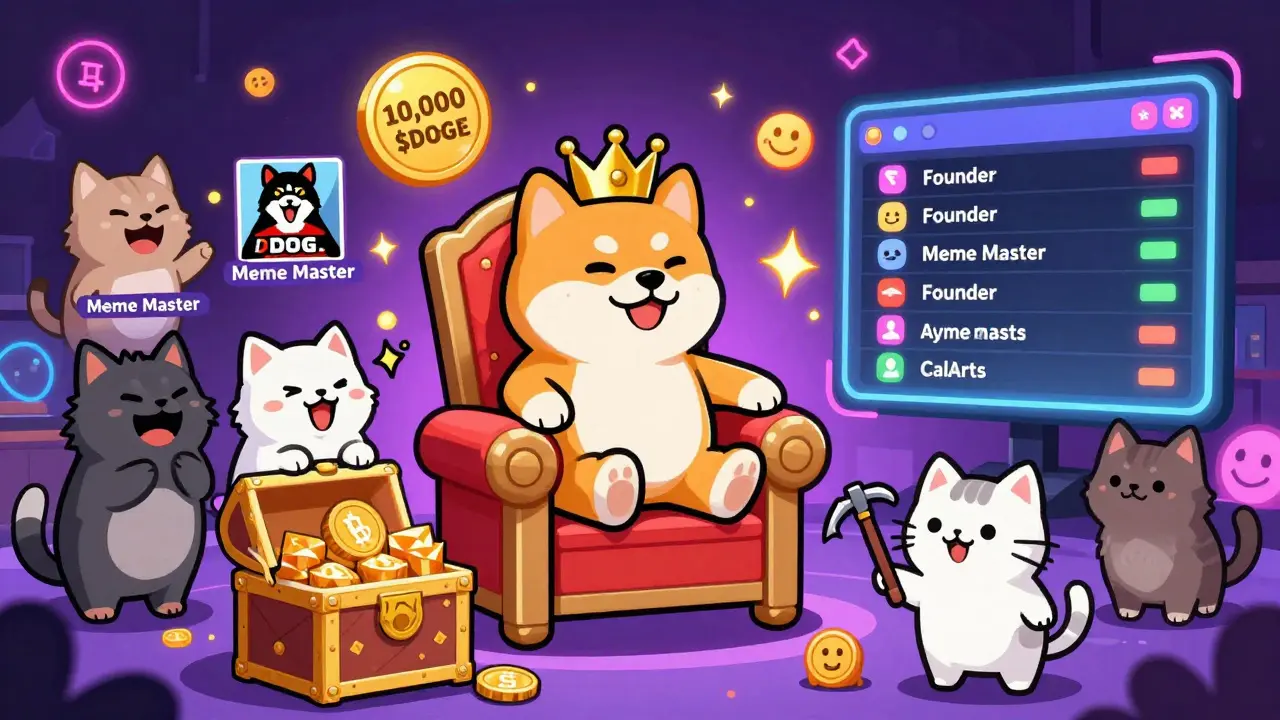
Telegram and Discord are your command centers. These aren’t just chat groups - they’re living ecosystems. On Telegram, you broadcast updates. On Discord, you build hierarchy. Give your top meme creators custom roles. Give your most active members a "Founder" badge. Let them feel like they’re part of something bigger than a token price. A simple "Top Meme of the Week" award with a 10,000 token prize? That’s not a giveaway - it’s a ritual.
Engagement Isn’t a Feature - It’s the Product
Most crypto projects treat community engagement like an afterthought. Memecoin projects treat it like oxygen. You don’t wait for people to come to you. You drag them in with rewards, challenges, and inside jokes.Airdrops are the gateway drug. Give away free tokens to anyone who joins your Telegram group and follows your Twitter. But don’t stop there. Run weekly meme contests. Ask the community: "What would a Shiba Inu do if it had $1 million?" Then pick the funniest submission and reward the creator. People will start designing memes just to get noticed. That’s when you know you’ve won.
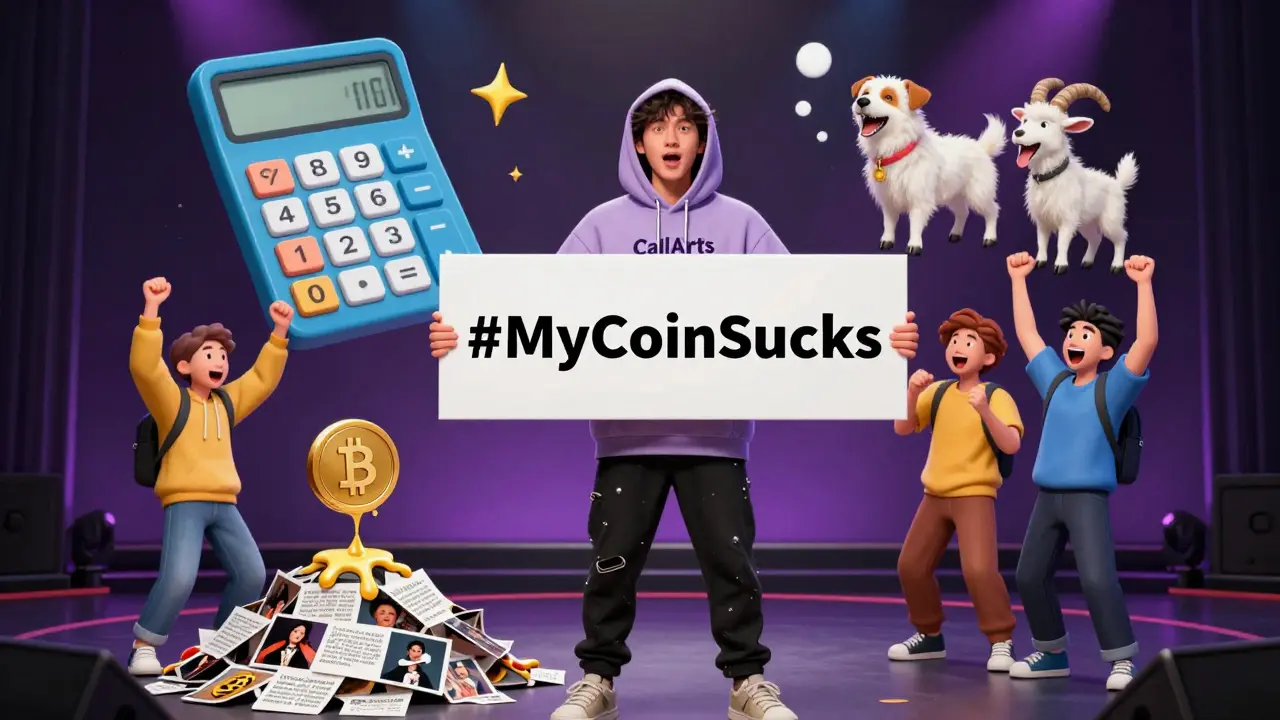
Referral programs work - but only if they’re fun. Instead of "Invite 5 friends and get 500 tokens," try: "Bring 3 friends who post a meme with #MyCoinSucks and you all get 1,000 tokens each." Suddenly, people aren’t just recruiting - they’re performing. They’re turning your coin into a game.
Live AMAs aren’t just Q&As - they’re theater. Have the founder show up in a ridiculous costume. Let a moderator roast the team. Answer questions with memes instead of answers. One project did an AMA where every question had to be answered using only emojis. It got 200,000 views. That’s not luck. That’s strategy.
Forget Celebrities - Use Mid-Tier Influencers
You’ve seen the ads: a famous rapper holding a memecoin like it’s a winning lottery ticket. It doesn’t work. Real engagement doesn’t come from paid shoutouts. It comes from people who already live in the culture.Find influencers with 10,000 to 100,000 followers who post memes daily. Not crypto influencers - meme influencers. The guy who makes dog memes for a living. The TikTok creator who turns crypto jargon into comedy sketches. Pay them in tokens, not cash. Let them keep 5% of the tokens they help bring in. That’s not a sponsorship - it’s a partnership. They’ll care because they’re invested.
One project, $WIF, partnered with three micro-influencers who each had under 50,000 followers. Within two weeks, those three brought in 47,000 new community members. The project’s total user base jumped 300%. The influencers didn’t post a single chart. They posted memes. And people followed.
Make It a Game - Not a Wallet
People don’t stay for the price. They stay for the fun. Gamification isn’t a buzzword - it’s the glue.Use Discord bots to create missions: "Post 3 memes this week," "Invite 2 friends," "Vote on the next token name." Reward completion with exclusive NFTs, custom roles, or early access to new features. Add a leaderboard. Let people see who’s #1. Humans are wired for competition. Use it.
One memecoin, $BONK, introduced a "Meme Master" system. Users earned points for every meme they created that got 100+ likes. Top 10 each week got airdropped 50,000 tokens. Within a month, the community generated over 12,000 unique memes. Not one was created by the team. All of it was user-driven. That’s the gold standard.
Visual infographics beat whitepapers every time. A 30-second video showing how the token supply works - with a cartoon dog digging up coins - gets shared 10x more than a 10-page PDF. Make your tokenomics feel like a cartoon, not a spreadsheet.
Consistency Is Everything - Even When You’re Boring
The biggest killer of memecoins? Silence.People don’t mind if the price drops. They mind if the community stops moving. If you go three days without posting, your Discord goes quiet. If you skip a week of contests, people start leaving. The moment you stop entertaining them, they find the next meme.
Successful projects post daily. Not because they have to - because they know their community expects it. Even if it’s just a GIF of a dancing cat with the text: "$DOGE is up 2% today. Still a meme. Still a family." That’s enough. It shows you’re still there.
One team started a "Daily Dumb Tweet" tradition. Every morning at 9 a.m. NZ time, they posted a ridiculous, totally unrelated meme. No context. No explanation. Just chaos. Within weeks, followers started replying with their own dumb tweets. The community became a daily ritual. That’s loyalty.
Don’t Lie. Don’t Overpromise. Don’t Fake It
You can’t fake trust. The moment your team says, "We’re listing on Binance next week," and it never happens - you lose everything. The memecoin community is forgiving. But only if you’re honest.Admit when things go wrong. If the token price crashes, say: "We know. We’re working on a new feature. Here’s what’s coming." If a giveaway gets delayed? Post a meme: "Our bot got confused. We’re fixing it. Here’s a puppy instead." People respect vulnerability. They hate corporate spin.
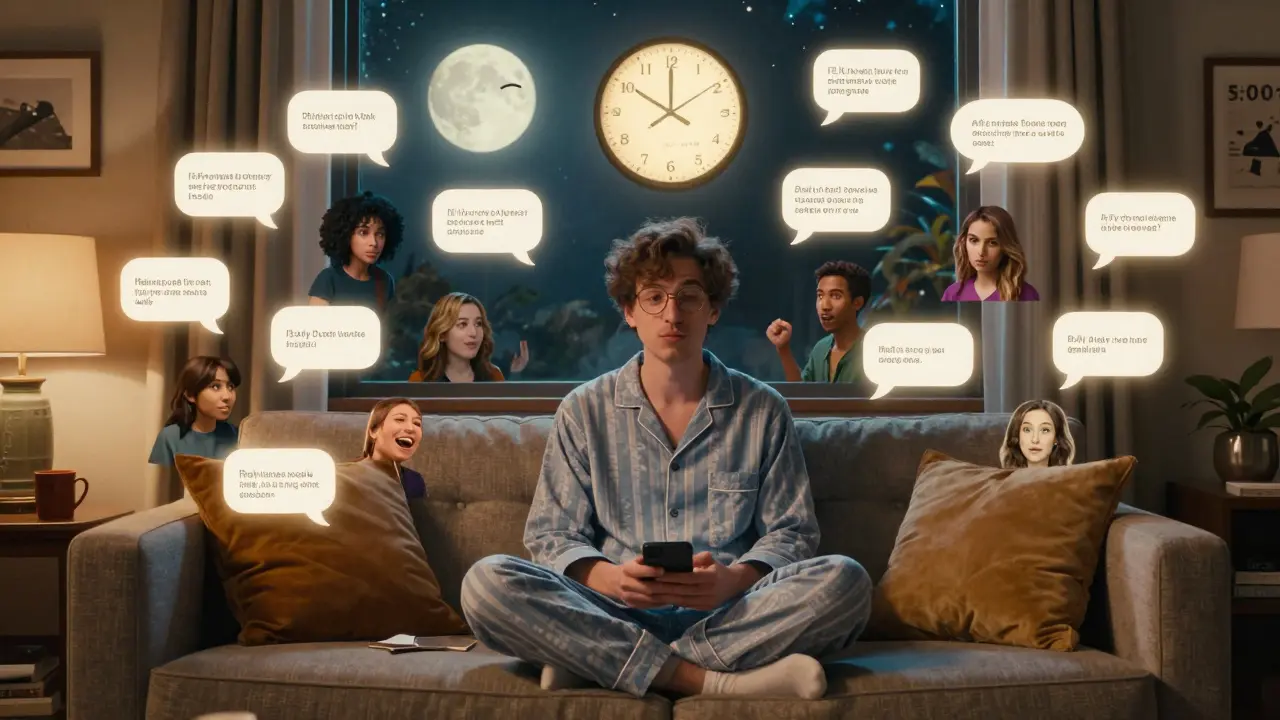
One project lost 60% of its value in a week. Instead of hiding, the founder posted a 7-minute video in his pajamas: "We messed up. We didn’t expect this much hype. Here’s how we’re fixing it." The community didn’t dump. They rallied. They started making memes about "The Pajama Founder." That video became their most shared piece of content ever.
What Happens When It All Falls Apart?
Let’s be real: most memecoins die. Fast. But some live. Why? Because they didn’t just build a token - they built a tribe.The ones that survive are the ones that turn users into creators. The ones that let people feel like they own the culture, not just the coins. They don’t chase pumps. They chase participation.
If you’re reading this and you’re thinking about launching a memecoin - don’t. Not unless you’re ready to show up every single day. Not just as a founder. As a member. As a joker. As a fan.
Because in the end, memecoins aren’t about money. They’re about belonging. And if you can make someone feel like they’re part of something weird, wild, and wonderful - you’ve already won.
Do memecoins have any real value?
Not in the traditional sense. Memecoins don’t solve problems, don’t have utility, and aren’t backed by technology. Their value comes entirely from community belief. If 10,000 people believe a dog with a hat is worth $1, then it is. That’s why community engagement is everything - without it, the coin is just a number on a screen.
How long does it take to build a memecoin community?
You can get 1,000 people in a week with a viral meme. But building a community that lasts? That takes 30 to 90 days of daily effort. The first week is hype. The second week is testing. The third week is retention. After that, if you’re still posting, still rewarding, still laughing with your users - you’ve got a shot.
Is it better to use Telegram or Discord?
Use both - but for different reasons. Telegram is for broadcasting: announcements, price updates, links. Discord is for bonding: roles, games, voice chats, custom bots. Telegram is your billboard. Discord is your clubhouse. You need both.
Can you build a memecoin community without spending money?
Yes - but it’s harder. You can’t buy attention anymore. What you can do is create value through creativity. Run free meme contests. Use free bots for Discord. Reward users with token airdrops instead of cash. The most successful memecoins started with zero budget and 100% hustle. Your creativity is your currency.
What’s the biggest mistake new memecoin projects make?
They treat it like a stock. They post charts. They hype the price. They ignore the people. The moment you start talking about "market cap" instead of "meme wins," you lose. Memecoins aren’t investments - they’re experiences. If you don’t make people feel something, they’ll move on to the next one.