Crypto Exchange Verification Checker
Verify Exchange Legitimacy
Check if an exchange meets basic legitimacy standards. Based on industry best practices from the article.
If you're looking at LionDEX as a place to trade crypto, you're not alone. But here's the problem: there's almost nothing verifiable about it. No official website. No clear team members. No public trading volume. No user reviews on trusted platforms like Trustpilot or Reddit. Even major crypto data sites like CoinGecko and CoinMarketCap don't list it. That’s not just unusual-it’s a red flag.
Is LionDEX Even Real?
You’d expect a crypto exchange to have at least a basic online presence. A website. A Twitter account. A Discord server. Maybe even a YouTube channel explaining how to deposit. LionDEX has none of that. A quick search turns up scattered forum mentions from 2024, mostly from users asking if it’s legit. No one answers. No one posts screenshots of trades. No one shares a link to a live platform.Some exchanges start small. But even the smallest ones have a working domain, a contact email, or at least a GitHub repo. LionDEX doesn’t. There’s no whitepaper. No roadmap. No team bios. No LinkedIn profiles for founders. That’s not a startup-it’s a ghost.
Security? No Evidence Exists
Security is the #1 thing you need from any exchange. Where’s the audit report? Who holds the keys? Is it custodial or non-custodial? Is there two-factor authentication? Cold storage? None of this is documented anywhere.Compare that to real exchanges like OKX or Bitpanda. They publish third-party security audits. They list their compliance certifications. They explain how they protect user funds. LionDEX? Silence. If you deposit crypto here, you’re trusting a black box with no labels.
Fees and Supported Coins? Unknown
Trading fees matter. Deposit fees. Withdrawal fees. Maker-taker spreads. You can’t compare LionDEX to anything because there’s no data. Some shady platforms hide fees until you try to withdraw. Then they hit you with 15% charges or lock your funds for 30 days.Same with supported coins. Do they support Bitcoin and Ethereum? What about Solana or Polygon? Is there a stablecoin like USDT? No one knows. You can’t find a single list of trading pairs. That means if you want to trade anything beyond Bitcoin, you’re gambling on whether it’s even listed.
Why Do People Talk About It?
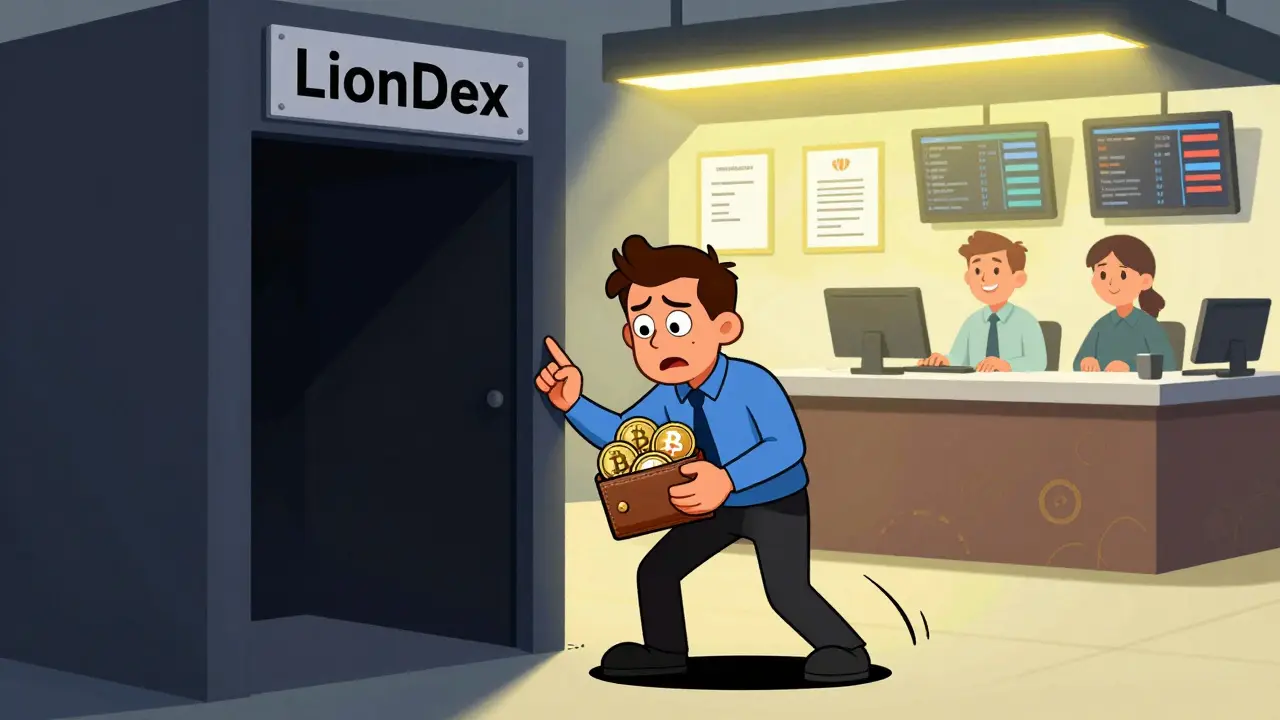
You might wonder: if it’s so sketchy, why does it come up at all? The answer is simple-scammers copy names. There are dozens of fake exchanges using names like “CryptoLion,” “LionWallet,” “LionTrade.” These names sound trustworthy. They use lion logos. They borrow design elements from real platforms. Then they vanish after collecting deposits.There’s also a trend in crypto where fake exchanges pop up after big price spikes. When Bitcoin surges, new users jump in. They don’t know the difference between a real exchange and a copycat. That’s when these ghost platforms thrive. They’re not trying to build a business. They’re trying to steal funds fast and disappear.
What Do Real Exchanges Look Like?
If you’re looking for a safe place to trade, here’s what you should see:- A clear website with an HTTPS certificate and contact info
- Real names and photos of the team
- Third-party security audits from firms like CertiK or SlowMist
- Transparent fee schedules on the website
- Support for at least 50+ major coins
- Verified user reviews on independent sites
- Compliance with financial regulations (like FinCEN or FCA)
Platforms like OKX, Binance, and Bitpanda meet all these criteria. They’ve been around for years. They handle billions in daily volume. They have customer support teams that answer in real time.
What Should You Do?
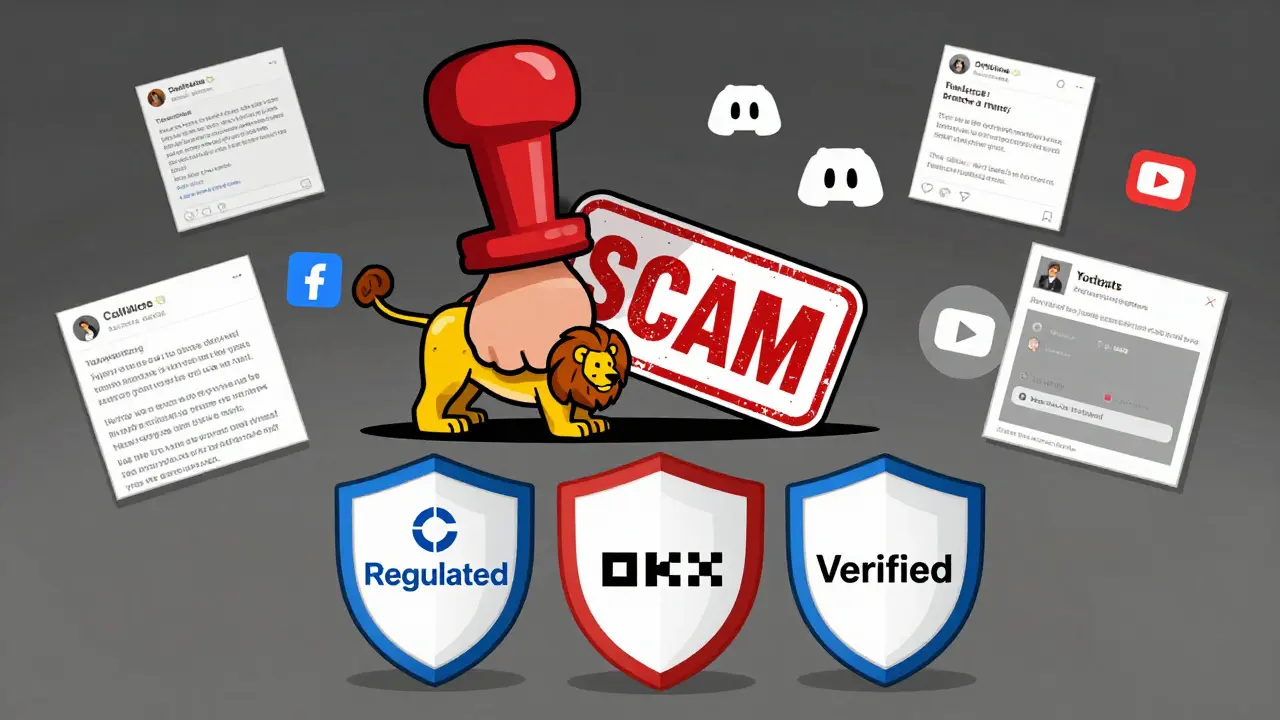
Don’t deposit a single dollar into LionDEX. Not even $1 worth of ETH. Not even to “test it out.” If you do, you’re not testing-you’re donating.If you found LionDEX through an ad on social media, a Telegram group, or a YouTube influencer, walk away. Those are classic scam tactics. Real exchanges don’t pay influencers to push unverified platforms.
Instead, stick to well-known, regulated exchanges. If you’re new, start with Coinbase or Kraken. They’re simple, secure, and have 24/7 support. If you want lower fees and more coins, try Bitpanda or OKX. All of them have public records, audits, and years of user history.
Final Warning
Crypto is risky enough without adding fake exchanges to the mix. There’s no such thing as a “hidden gem” that’s too good to be listed anywhere. If something sounds too easy, too quiet, or too unknown-it’s not a secret. It’s a trap.LionDEX doesn’t have a review because it doesn’t exist as a legitimate business. It’s a placeholder for a scam. Protect your funds. Stick to platforms you can verify. Your crypto is your responsibility. Don’t hand it over to a name with no history.