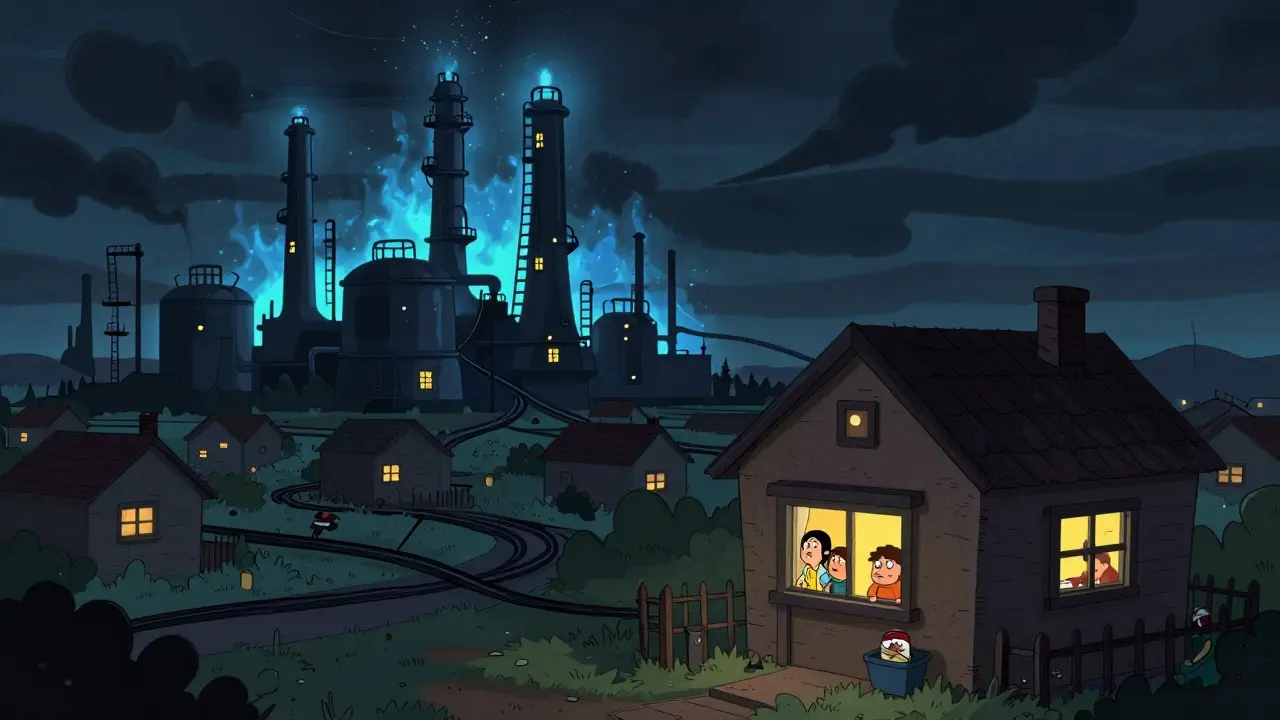
The lights went out for thousands of homes in East Kazakhstan not because of a storm or aging infrastructure, but because someone was mining Bitcoin. In October 2025, authorities uncovered an illegal operation that had been stealing enough power to run a small city-worth nearly $16.5 million over two years. This wasn’t just theft; it was a symptom of a much larger struggle. Kazakhstan has become a global hub for cryptocurrency mining, largely after China banned the practice in 2021. But the country’s grid isn’t built for this scale of demand. To keep the lights on for hospitals and schools, the government introduced strict electricity rationing for crypto mining. If you are looking to operate here, or simply want to understand why your hash rate might be capped, you need to know how this system actually works-and where it fails.
How the State-Controlled Marketplace Works
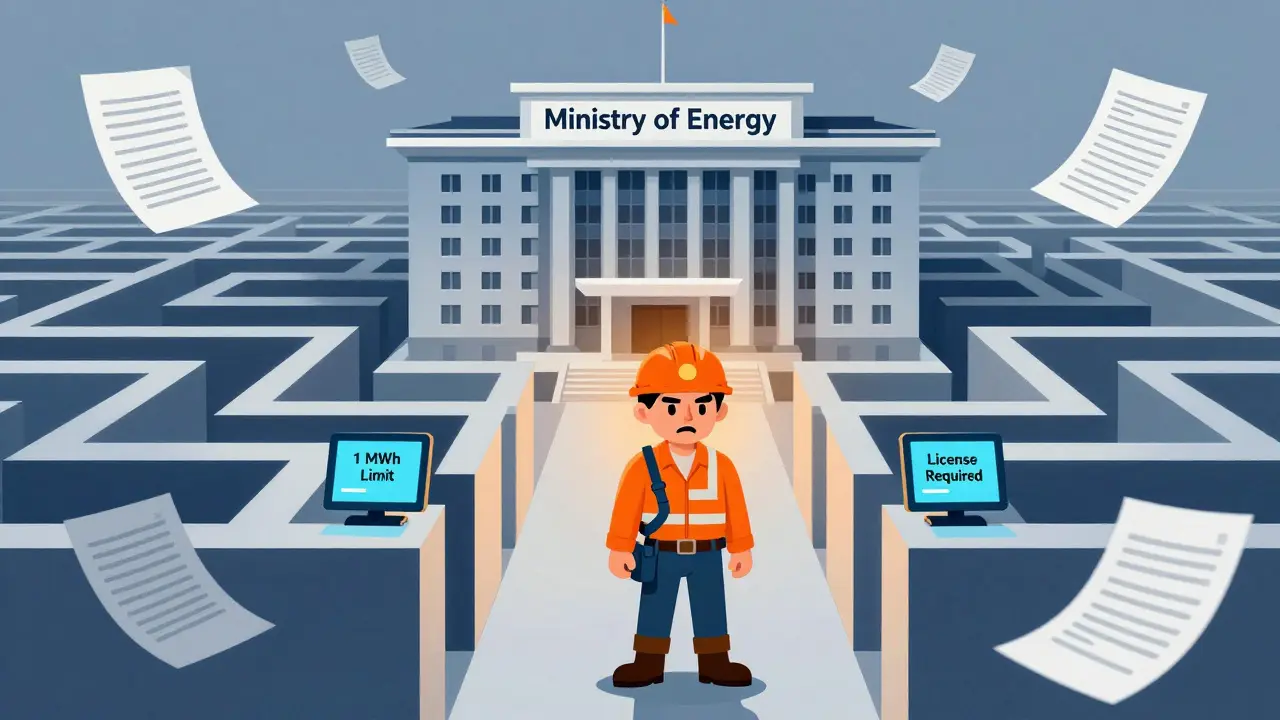
Kazakhstan doesn’t let miners buy power from any old utility company anymore. The Ministry of Energy runs a mandatory state-operated marketplace. Think of it as a digital queue where every kilowatt-hour is accounted for. You can’t just plug in and start hashing. You have to go through the official channel. The most critical rule? You cannot buy more than 1 megawatt-hour (MWh) per transaction. For large farms, this means constant administrative work to secure enough power without tripping alarms. It’s designed to prevent monopolies and ensure no single entity drains the local grid.
This system sits alongside a licensing framework that tracks everything. As of recent data, the government has issued only 84 licenses to legitimate mining operations. They’ve accredited five specific mining pools and registered over 415,000 individual mining machines. That tracking is intense. Your hardware isn’t anonymous. It’s logged. This creates a transparent environment for regulators but adds layers of bureaucracy for operators who used to value speed and stealth.
| Requirement | Limit / Value | Purpose |
|---|---|---|
| Max Electricity Purchase | 1 MWh per transaction | Prevent grid overload by single entities |
| Asset Sale Requirement | 75% on AIFC platforms | Ensure financial transparency and tax collection |
| Tax Rate | 15% on profits | Revenue generation for state infrastructure |
| Licenses Issued | 84 total | Control market entry and monitor compliance |
The Cost of Compliance: Taxes and AIFC Mandates
Buying the power is only half the battle. What you do with the mined coins matters just as much. In 2025, the rules tightened significantly. Miners must now sell 75% of their assets on platforms within the Astana International Financial Centre (AIFC). This is up from 50% in 2024. Why the change? The government wants visibility into the money flow. By forcing sales onto regulated exchanges, they can track transactions, apply the 15% tax rate effectively, and reduce money laundering risks. For smaller operators, this is a heavy lift. It requires legal setup, accounting expertise, and integration with specific banking channels. Compliance costs alone can eat up 10-15% of your operational budget. You aren’t just competing on energy efficiency anymore; you’re competing on bureaucratic agility.
The Shadow Market: When Rationing Fails
If the official system is so strict, why did that massive illegal ring in East Kazakhstan exist for two years? Because demand outstrips supply. When legitimate channels cap you at 1 MWh and require weeks of paperwork, some operators look for shortcuts. The October 2025 bust revealed a disturbing truth: corruption inside utility companies. Employees sold residential and strategic industrial power to unauthorized miners. This wasn’t just a technical glitch; it was a human failure. The stolen power fueled luxury purchases-apartments in Nur-Sultan and high-end vehicles-all seized later by courts. This case shows that while the rationing laws are strong on paper, enforcement relies heavily on honest insiders. For legitimate miners, this shadow market distorts competition. Illegal operators don’t pay the 15% tax or adhere to the 1 MWh limit, giving them an unfair cost advantage until they get caught.
Future Outlook: The 70/30 Proposal
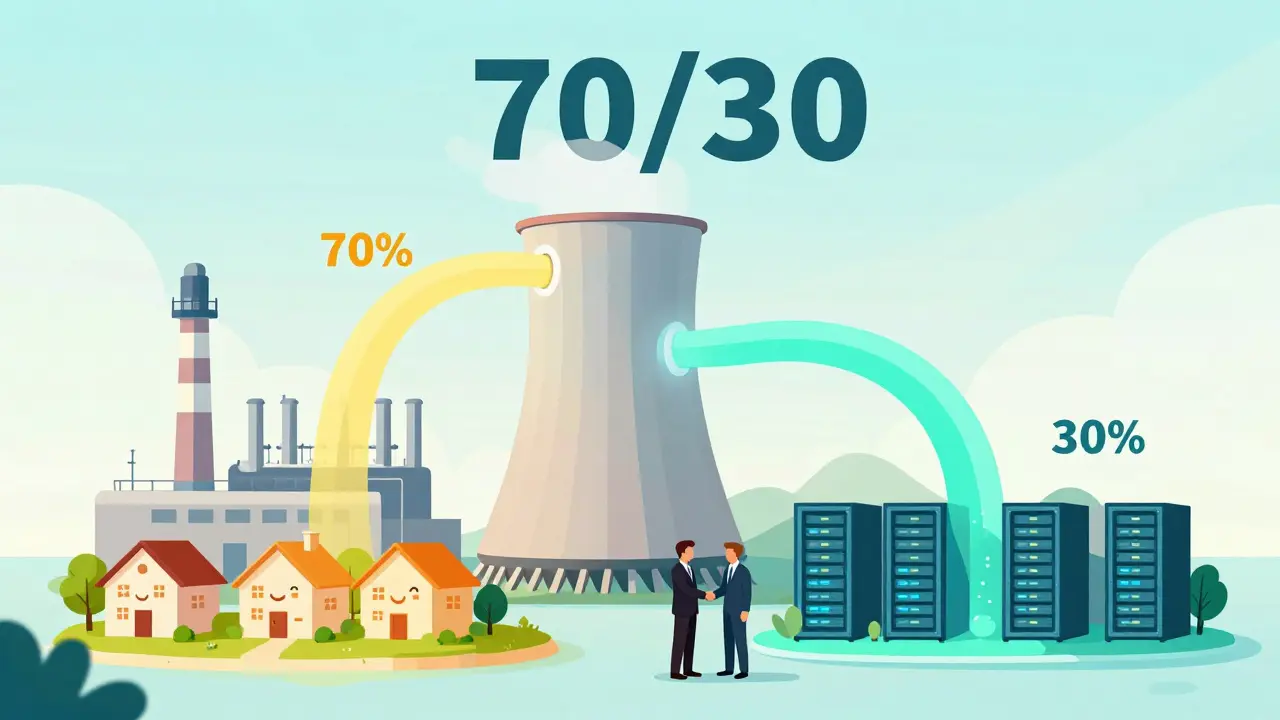
Is there a way to fix this without cutting off miners entirely? The government is exploring a "70/30" energy program. Under this model, foreign investors would fund upgrades to thermal power plants. In return, 70% of the new capacity goes to the national grid-keeping homes and factories running-while 30% is reserved specifically for crypto mining. This could be a game-changer. It separates mining power from domestic consumption, reducing the conflict between miners and residents. However, it requires significant capital and trust. Until then, the current rationing system remains the standard, with periodic tweaks like the increased AIFC sale requirement. The goal is clear: balance economic growth from mining with energy security for citizens.
Can I mine crypto in Kazakhstan without a license?
Technically, you can attempt it, but it is highly risky. Unlicensed operations are subject to raids, equipment seizure, and heavy fines. The government tracks registered machines closely, and unregistered farms are prime targets for enforcement agencies like the KNB.
Why is the 1 MWh purchase limit enforced?
The limit prevents any single miner from monopolizing local grid capacity. It ensures fair distribution of scarce resources and reduces the risk of blackouts affecting residential and essential services.
What happens if I don't sell 75% of my assets on AIFC?
Non-compliance can lead to penalties, loss of licensing privileges, and potential legal action. The AIFC mandate is designed to ensure tax transparency and prevent illicit financial flows.
How does the 70/30 energy program work?
It is a proposed model where investors build new power infrastructure. 70% of the generated electricity supports the public grid, while 30% is allocated to licensed mining operations, decoupling mining from domestic power struggles.
Is Kazakhstan still a viable location for mining in 2026?
Yes, but only for well-capitalized, compliant operators. The barriers to entry are higher due to licensing, taxation, and AIFC requirements. Small-scale or informal mining is increasingly dangerous and unprofitable.