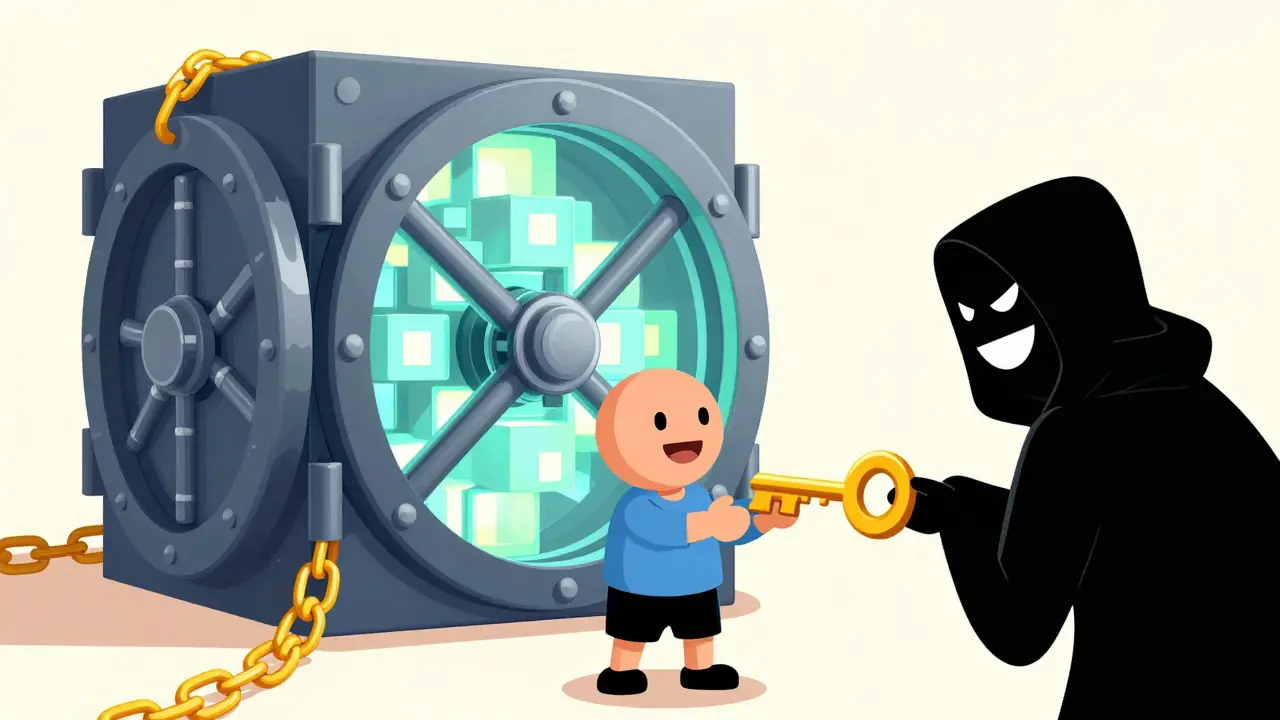
The scale of this problem is massive. By 2025, users of cryptocurrency exchanges were losing roughly $300 million every year to these psychological tricks. Unlike a traditional bank hack, where a technical glitch might be to blame, these thefts happen because scammers exploit basic human instincts: trust, fear, and the desire for quick profit. Because blockchain transactions are irreversible, once you've been tricked into sending funds, there is no "undo" button and no customer service line to call for a refund.
The Psychological Playbook of Crypto Scammers
Scammers don't just guess; they use a specific framework to bypass your critical thinking. Most successful attacks rely on three main psychological triggers. First, they establish Authority. They won't just say "Hi," they'll pretend to be a support agent from a major exchange, a government official, or a well-known industry leader. When we perceive someone as an authority figure, we tend to stop questioning their requests.
Next, they manufacture Urgency. You've probably seen the messages: "Your account will be frozen in 2 hours" or "Last chance to claim this airdrop!" This creates a state of anxiety known as FOMO (Fear Of Missing Out). When you're rushed, your brain switches from logical processing to emotional reacting, making you far more likely to ignore red flags.
Finally, they build self-sustaining trust systems. This often happens in Telegram or Discord groups. A scammer might spend weeks being helpful in a community, sharing a few legitimate tips, and acting like a friend before suddenly mentioning a "secret" investment opportunity. By the time the trap is sprung, you already trust the person.
From Simple Phishing to Complex Infrastructure Hacks
We've moved far beyond the days of poorly written emails from "princes." Today, social engineering is used to bring down entire protocols. Take the Ronin Network attack, which resulted in a $600 million loss. This wasn't a fluke of the code. Attackers used a fake job interview process to trick an in-house developer. By sending a malicious job description that looked professional, they gained an entry point into the system, eventually compromising the hot wallet. This shows that even pros-developers and engineers-are susceptible when the hook is personalized.
Then there's the high-speed chaos of meme coin scams. In August 2024, the X account of soccer star Kylian Mbappé was compromised. The attackers posted about a fake $MBAPPE coin on the Solana blockchain. Because fans trusted the source, the coin hit a $460 million market cap in hours. People didn't check the contract address; they trusted the blue checkmark. This is a classic example of using a trusted entity to bypass a user's natural skepticism.
| Tactic | Psychological Trigger | Common Vector | Goal |
|---|---|---|---|
| Phishing | Urgency / Fear | Email, Fake dApps | Seed phrase theft |
| Pig Butchering | Romance / Trust | WhatsApp, Dating Apps | Long-term fund drain |
| Impersonation | Authority | X (Twitter), Discord | Direct transfers |
| Governance Attack | Community Trust | DAO Voting Proposals | Treasury theft |
The Long Game: Understanding Pig Butchering
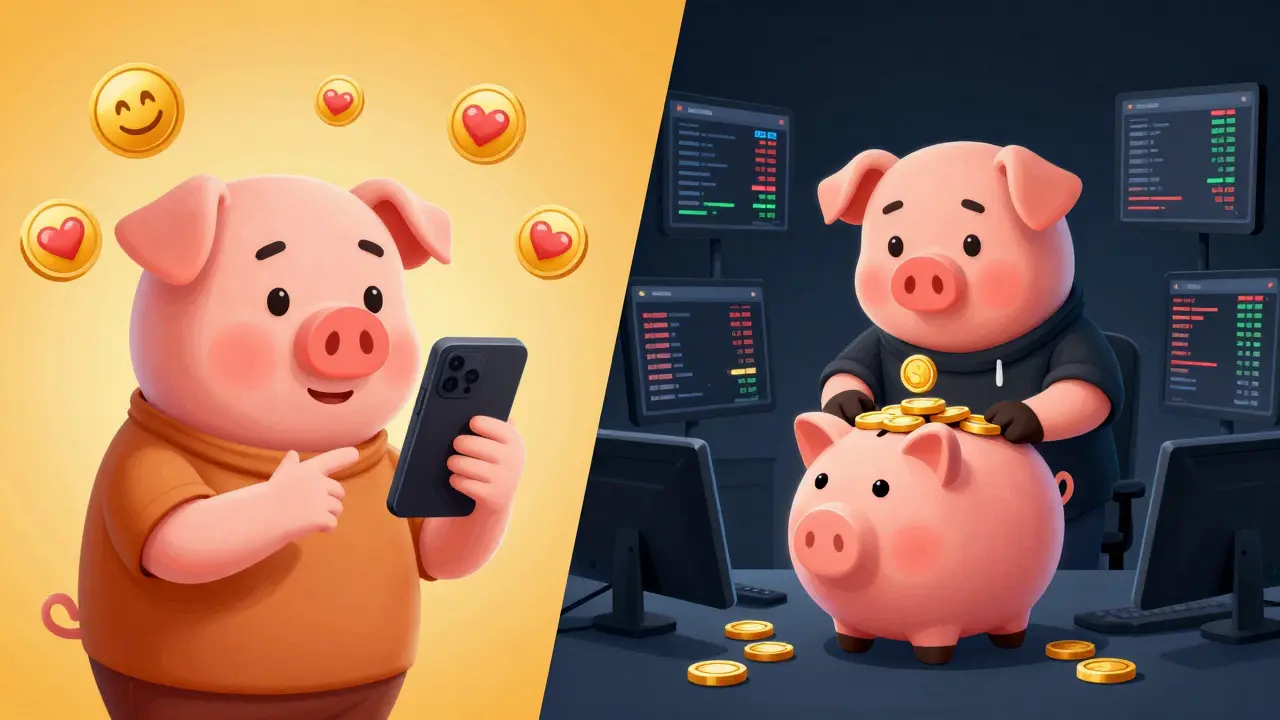
While phishing is a "smash and grab," Pig Butchering is a slow burn. The name comes from the idea of "fattening up the pig" before the slaughter. Scammers spend months building a relationship with the victim-sometimes through a romantic lens or a business mentorship. They don't ask for money immediately. Instead, they casually mention how much they're making from a specific trading platform.
Once the victim is interested, the scammer directs them to a fake investment site. These sites are incredibly polished, featuring real-time charts and professional dashboards. To make it feel real, the scammer might even let the victim withdraw a small amount of money early on. This "proof of concept" tricks the brain into believing the platform is legitimate. Once the victim deposits a life-changing sum, the account is frozen, and the scammer vanishes.
Technical Deceptions Disguised as Opportunities
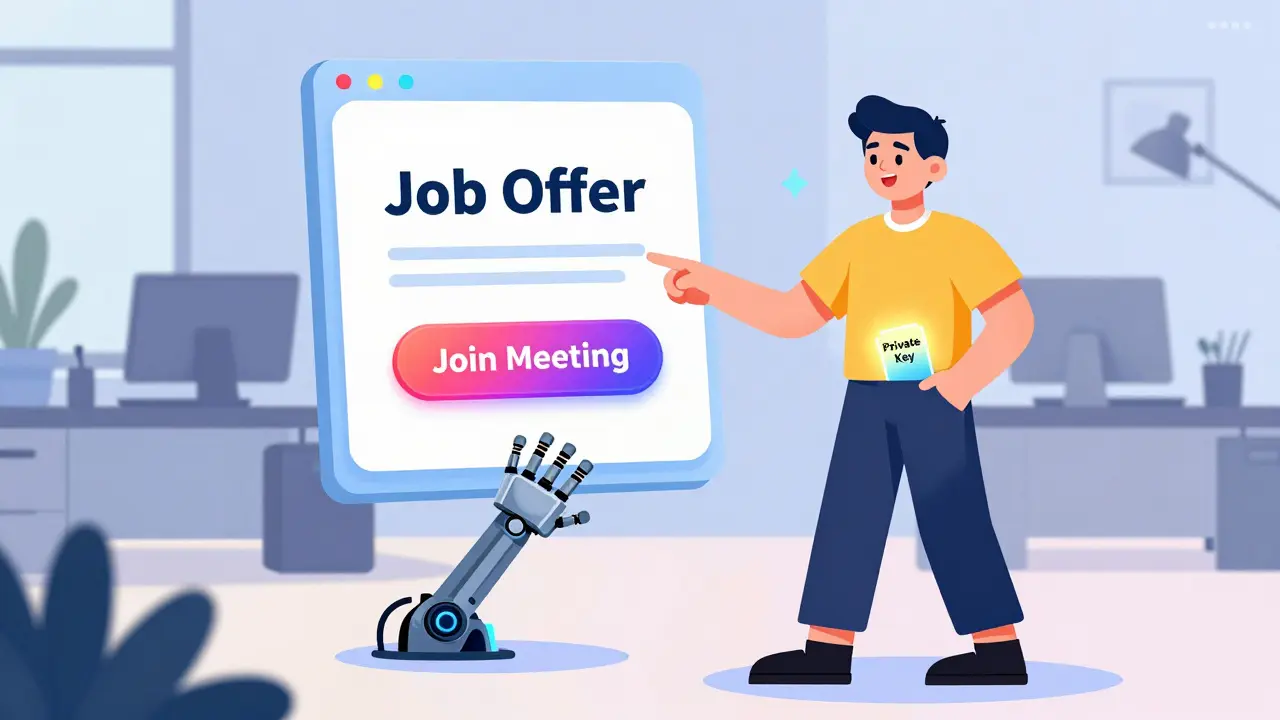
Modern scams often hide behind the facade of a legitimate startup. The "Meeten campaign" is a great example. Threat actors create fake companies focusing on AI or Web3, complete with professional project documentation on Notion and technical blogs on Medium. They invite users to a "business meeting" and ask them to download a specific piece of software to join.
The software isn't for meetings; it's an information stealer. These programs are designed to scan your computer for browser cookies and saved passwords, specifically looking for Private Keys and seed phrases. By the time you realize the meeting isn't happening, the attackers already have full access to your wallet. They even use stolen software signing certificates to bypass Windows security warnings, making the malicious app look "verified."
Governance and Community Exploits
Social engineering has also moved into the boardroom of the decentralized world. In many DAOs (Decentralized Autonomous Organizations), governance happens through voting on proposals. Attackers have started submitting proposals that look like boring technical upgrades or legitimate community grants. Because many voters don't actually read the underlying smart contract code, they approve the proposal based on the a convincing description.
These hidden code changes can grant the attacker privileged access to the protocol's treasury. By exploiting the trust in known contributors or the general apathy of a rushed voting process, scammers can drain millions from a project without ever "hacking" a server. They simply convinced the community to vote for their own robbery.
How to Protect Your Assets in 2026
If the problem is human psychology, the solution is a change in behavior. You can't install an antivirus that stops a scammer from lying to you, but you can build a personal security protocol. First, treat every unsolicited message-even from a "friend" on Discord-as a potential threat. If a friend suddenly tells you about a high-yield investment, verify it through a different communication channel before clicking any links.
Second, never enter your seed phrase into any website, regardless of how official it looks. No legitimate support agent from Coinbase or any other exchange will ever ask for your private keys. If someone does, they are a scammer. Period.
Finally, be wary of "too good to be true" opportunities. Airdrops that require an upfront payment to "activate" your account or trading bots that guarantee 10% daily returns are mathematical impossibilities. The most dangerous tool a scammer has is your own greed; once you let that take the wheel, your logical defenses drop.
What is the most common sign of a social engineering scam?
The biggest red flag is an artificial sense of urgency. Whether it's a claim that your account is being compromised or a limited-time investment window, scammers want you to act before you have time to think. Any request that demands immediate action and involves your private keys or funds is almost certainly a scam.
Can a hardware wallet protect me from social engineering?
A hardware wallet protects your keys from being stolen via malware, but it cannot stop you from manually signing a malicious transaction. If a scammer tricks you into signing a "contract approval" that gives them permission to spend your tokens, the hardware wallet will faithfully execute that request because you authorized it.
What should I do if I've already given away my seed phrase?
Immediately create a brand new wallet with a new seed phrase and transfer any remaining assets to the new address. Once a seed phrase is exposed, that wallet is permanently compromised. You cannot "change the password" on a blockchain address; the only solution is to abandon the old wallet entirely.
How do "Pig Butchering" scams differ from phishing?
Phishing is usually a high-volume, low-effort attack designed to trick many people quickly. Pig Butchering is a targeted, long-term psychological operation. It focuses on building a deep emotional bond with the victim over weeks or months to build trust before convincing them to invest large sums into a fake platform.
Why are Telegram and Discord so popular for these scams?
These platforms allow for the easy creation of large groups where scammers can impersonate experts or create a "crowd effect." When a victim sees dozens of other people (who are actually bots or other scammers) praising a project, it creates a false sense of legitimacy and safety.